
Georgia attic temperatures routinely climb past 130 degrees on a summer day and radiate down into the upper floor all evening, which is why the upstairs of a two-story North Atlanta home can run 5 to 10 degrees warmer than the downstairs and feels worst when the AC fails at night.
An air conditioner that appears to run but blows warm air is often icing over its indoor coil from restricted airflow or low refrigerant, a counterintuitive failure where the system is literally freezing itself out of the ability to cool.
The capacitor that starts the compressor and fan degrades with heat and age, so it tends to give out during the hottest stretch of the summer, which is exactly when the system is working hardest and a homeowner can least afford to lose cooling.
An air conditioner rarely quits at a convenient hour. It tends to go down on the hottest night of the week, after the last service company has closed for the day, with the upstairs already climbing past 80 degrees and no relief in sight until morning. For a North Atlanta family, that is the moment 24 hour HVAC repair stops being an abstract phrase and becomes the only thing that matters. Knowing what to do in the first ten minutes, what is safe to check, and when to call for 24 hour HVAC repair can be the difference between a short, uncomfortable evening and a sleepless one. One Hour Heating and Air Conditioning of North Atlanta runs 24/7 emergency service across Alpharetta, Roswell, Sandy Springs, and the broader metro, which means a hot Atlanta night does not have to wait until business hours to get fixed.
This article is general information about HVAC service, not a repair manual. Anything involving refrigerant, sealed electrical components, or the inside of the equipment belongs to a qualified technician.
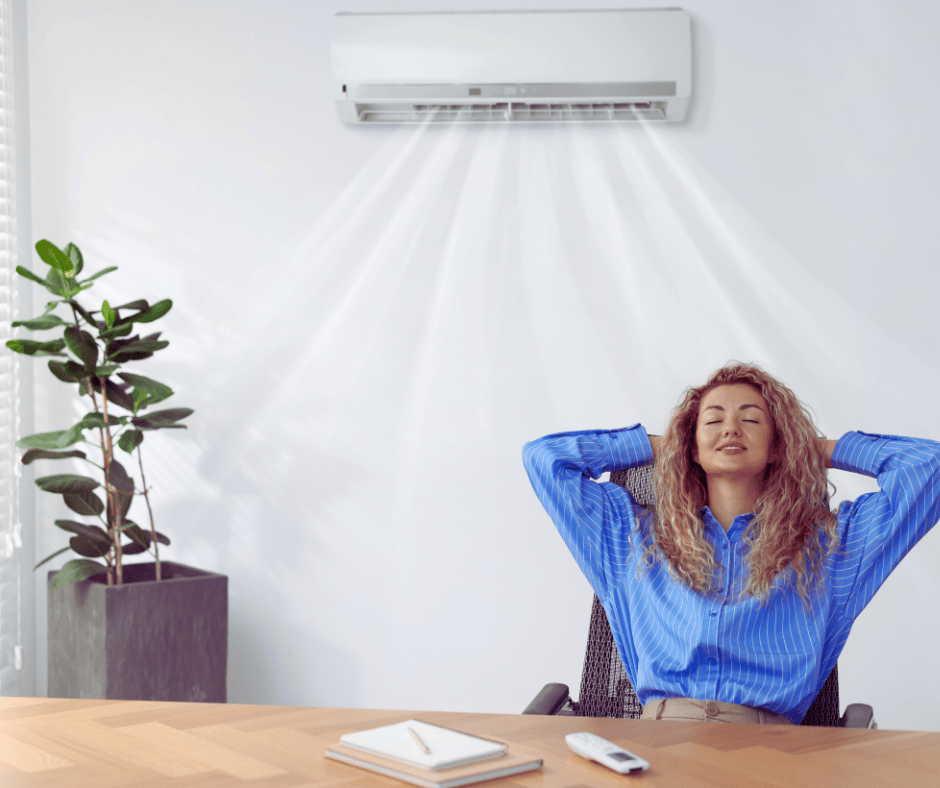
Before reaching for 24 hour HVAC repair, there are a few safe checks a homeowner can make that occasionally solve the problem outright and, when they do not, give the technician a head start. Start at the thermostat. Confirm it is set to cool, that the temperature is set below the current room reading, and that the batteries have not died, since a blank or unresponsive thermostat is a common and simple cause of a system that will not run. Next, check the air filter. A filter clogged solid after months of Georgia pollen and dust restricts airflow badly enough to freeze the indoor coil, which then stops the system from cooling. If the filter is filthy, replacing it is a reasonable first step.
The last safe check is the electrical panel. A tripped breaker on the air conditioner circuit can be reset once. If it trips again immediately, that is a signal to stop and call for 24 hour HVAC repair rather than keep resetting it, because a breaker that trips repeatedly is protecting the home from an electrical fault that needs a professional. What a homeowner should not do is open the outdoor unit, add refrigerant, or poke at the capacitor, which stores a dangerous electrical charge even with the power off. Those belong to a trained technician. If the simple checks do not restore cooling, the safest and fastest path on a hot night is to call for service rather than keep experimenting.
North Atlanta's summers put air conditioners under sustained strain, and the failures that bring on a call for 24 hour HVAC repair tend to cluster into a handful of causes. The most common is a failed capacitor, the component that gives the compressor and fan motors the jolt they need to start. Capacitors weaken with heat and age, and a run of 95-degree afternoons is exactly what pushes a marginal one over the edge, which is why they so often fail at the peak of demand. A failed contactor, the electrical switch that tells the outdoor unit to run, produces a similar no-cooling result.
Other frequent culprits include a frozen evaporator coil, the indoor coil that ices over when airflow is restricted or refrigerant is low, which paradoxically leaves the system blowing warm air while the unit appears to run. A refrigerant leak lowers the charge and cripples cooling capacity. A clogged condensate drain can trip a safety float switch that shuts the system down to prevent water damage. A failing compressor or fan motor rounds out the list. Many of these are same-night repairs when a technician arrives with common parts on the truck, which is the practical value of 24 hour HVAC repair over waiting several days for a standard appointment during peak season.
On a hot North Atlanta night, the upstairs of a two-story home is where a struggling or failed air conditioner is felt first and worst, and there is a specific reason for it that is worth understanding. Georgia attic temperatures on a summer day routinely climb past 130 degrees, and that heat radiates down through the ceiling into the upper floor all evening. Combine that with return air sizing on the upper floor that was often undersized when the home was built, and the upstairs can run 5 to 10 degrees warmer than the downstairs even when the system is healthy. When the air conditioner is failing, that gap widens fast, and the upstairs bedrooms become the least sleepable rooms in the house.
This is why a hot-night AC failure feels like an emergency in a way a daytime failure sometimes does not. The bedrooms are upstairs, the attic is still dumping stored heat, and the temperature keeps climbing after sunset. It is also why 24 hour HVAC repair matters more in a two-story North Atlanta home than the raw outdoor temperature alone would suggest. A homeowner in Alpharetta or Milton dealing with a chronically hot upstairs even when the AC works may have an airflow or duct balancing issue worth addressing separately, but on the night of a failure, restoring the system is the priority.
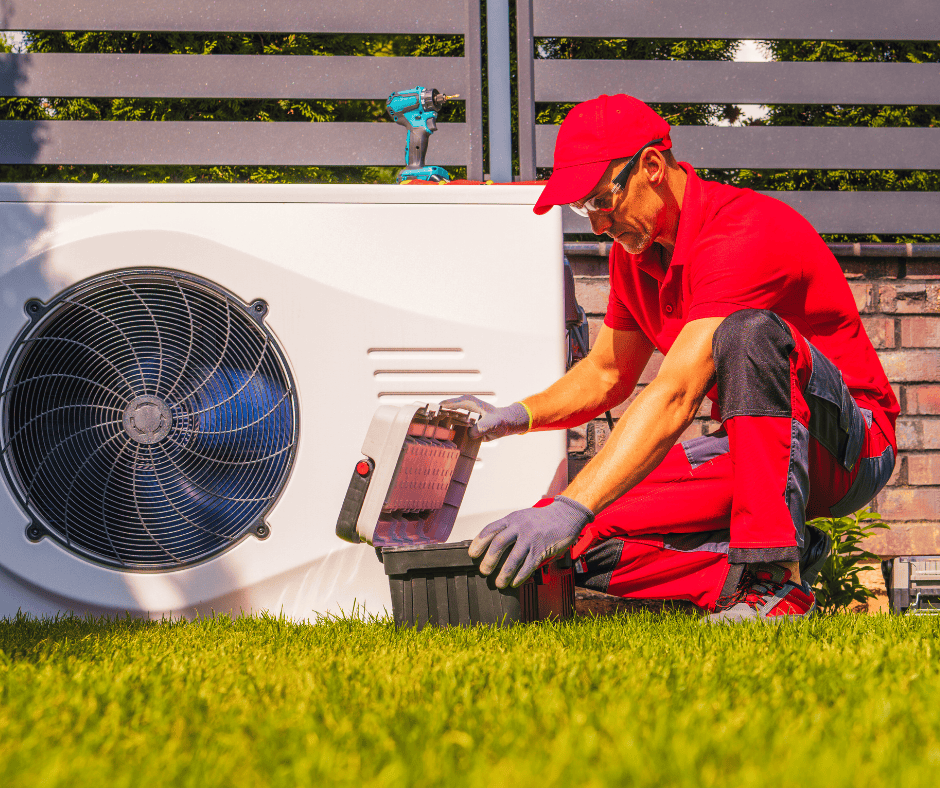
While waiting for 24 hour HVAC repair, a few steps make the wait more bearable and can limit how hot the house gets. Close blinds and curtains on any windows still holding the day's heat, run ceiling fans to move air across the skin even though fans do not lower the actual temperature, and avoid using the oven or other heat-generating appliances. Moving sleeping arrangements downstairs for the night, where the air is naturally cooler, is often the single most effective move in a two-story home. Staying hydrated matters more than people expect on a humid Georgia night, especially for older adults and young children, who are more vulnerable to heat.
When a technician arrives for 24 hour HVAC repair, the work follows a diagnostic sequence rather than guesswork. The technician confirms the symptom, checks the thermostat and electrical supply, tests the capacitor and contactor for failure, verifies refrigerant pressures to detect a leak or undercharge, and inspects the coils and condensate drain. That order matters, because a warm-air complaint can trace back to a frozen coil, a low charge, a failed capacitor, or a tripped safety switch, and each points to a different fix. A correct diagnosis on the first visit is what turns a hot-night emergency into a same-night repair. One Hour approaches every emergency call this way and explains the finding before doing the work, so a homeowner understands what failed and what the repair involves rather than being handed a bill with no explanation.
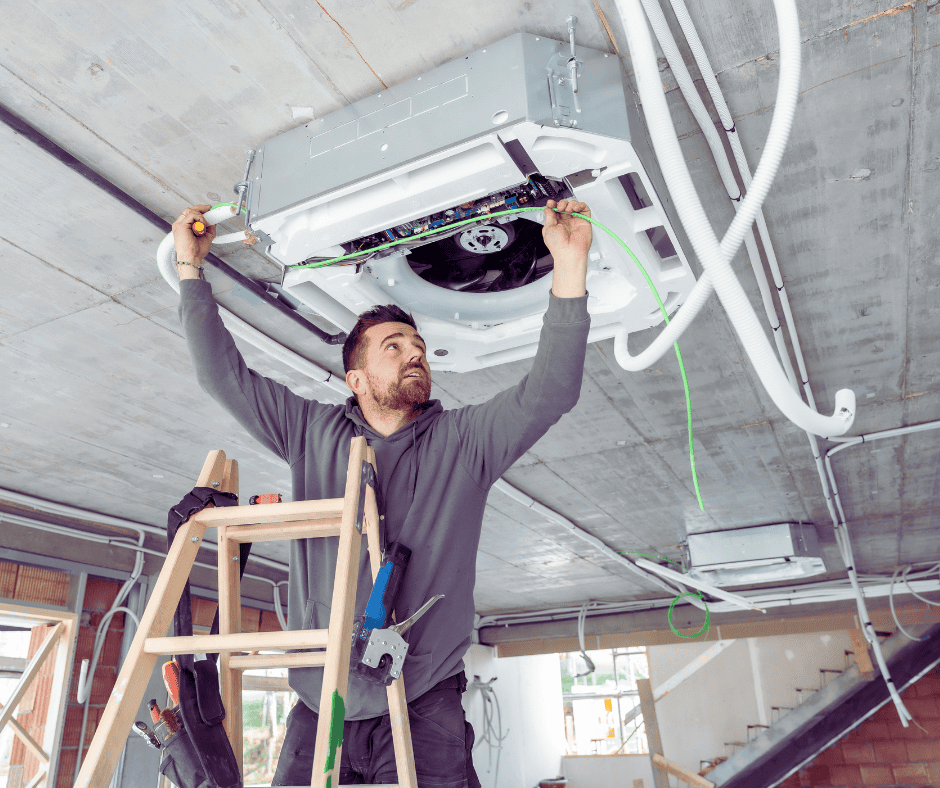
Sometimes 24 hour HVAC repair reveals a system at the end of its life, and an honest technician will say so rather than sink a homeowner's money into a unit that will fail again within weeks. A compressor failure on an aging system, repeated breakdowns across a single summer, or a system still running the older R-410A refrigerant that is now being phased out following the post-2025 transition can all shift the math toward replacement. That is a daytime, unhurried decision, not a hot-night one. On the night of the failure, the goal is to restore cooling if the system can be safely and sensibly repaired. If replacement is the better long-term answer, One Hour can lay out the options later, including high-efficiency systems and, for qualifying households, the income-based Georgia HEAR heat pump rebate, which can cover a significant share of a heat pump upgrade for eligible homeowners. None of that pressure belongs in the emergency call itself.
One Hour Heating and Air Conditioning of North Atlanta runs genuine 24/7 emergency service from its shop at 1360 Union Hill Rd Ste 5F in Alpharetta, GA 30004, covering Alpharetta, Cumming, Dunwoody, East Cobb, Milton, Roswell, Sandy Springs, and the broader North Atlanta metro. The company is licensed and insured, locally and independently operated, and backs its work with StraightForward upfront pricing so a homeowner knows the cost before the work begins, the Always On Time, Or You Don't Pay a Dime guarantee, a 100 percent satisfaction commitment, and a record across more than a hundred five-star reviews from families who have been through exactly this kind of hot-night failure. Same-day service and next-day installations mean a broken air conditioner does not have to mean days of waiting during the worst of the Georgia heat. North Atlanta homeowners who need 24 hour HVAC repair tonight can call One Hour at 404-721-3562 for emergency dispatch. This article is general information only; any repair involving refrigerant, sealed electrical parts, or the interior of the equipment should be left to a qualified technician.
Redirect to:
|
This page is a redirect. The following categories are used to track and monitor this redirect:
|